Solana Security Incident Highlights Broader Market Vulnerabilities
A wallet-drainer attack on Solana's Bonk.fun highlights ongoing security vulnerabilities, as Bitcoin struggles to overcome key resistance at $78,000 amid cautious trading and a broader shift of developer talent towards AI.
The Solana ecosystem recently experienced a significant security breach with the Bonk.fun domain being hijacked, leading to a wallet-draining scheme. Attackers gained access to a team account, deploying a malicious prompt designed to trick users into signing fraudulent transactions. While Bonk.fun operators claim the incident was quickly contained and losses appear limited, some users reported losing up to 50 SOL.

This event underscores a persistent vulnerability within the broader crypto market: the human element. Despite advancements in blockchain security, phishing attacks and domain compromises remain effective vectors for theft. The immediate impact on Bonk.fun users who signed the fraudulent terms-of-service prompt highlights the critical need for constant vigilance and robust security practices, not just on the blockchain layer, but across all associated web services and user interfaces.
Bitcoin's Cautious Recovery Amid Macro Headwinds
Bitcoin's price is attempting to regain ground after recovering 17% from multi-year lows below $60,000, currently trading around $70,529. On-chain data indicates a return of demand, particularly in derivatives markets, where net taker volume has been positive since the recent Middle East conflict escalated. This suggests buyers are stepping in, as evidenced by the bull score index improving from "extra bearish" to "bearish" and spot Bitcoin ETFs recording $529.2 million in inflows over three consecutive days.
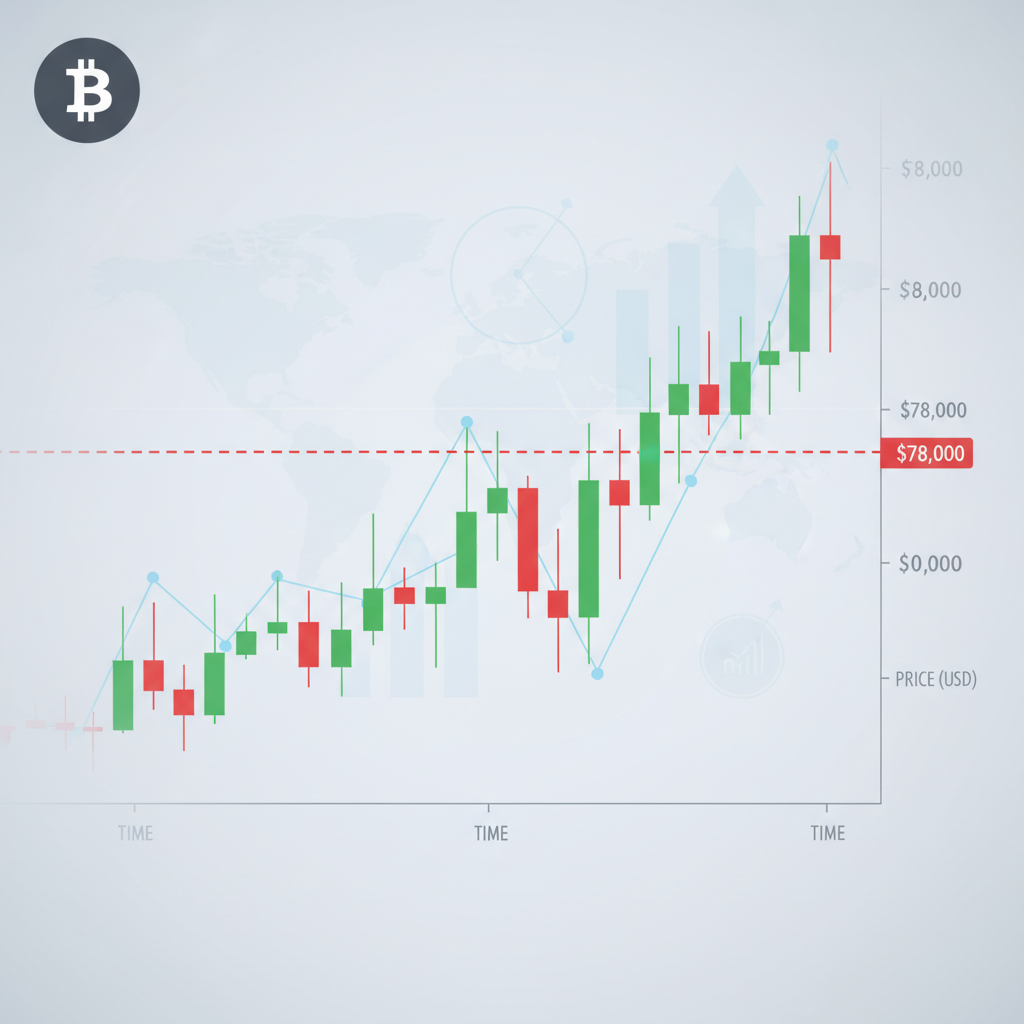
However, this rally faces significant resistance. Bitcoin has been consolidating within a $62,000–$72,000 range for over four weeks, struggling to sustain above $70,000. Analysts identify $78,000 as a key level required to reverse the broader downtrend. Macroeconomic factors are contributing to this cautious sentiment; rising oil prices towards $100 per barrel, fueled by geopolitical tensions in the Strait of Hormuz, are pressuring global equity markets and deterring aggressive long positions in crypto. Futures open interest has increased by 2% to $102 billion, but flat-to-negative funding rates and cumulative volume delta suggest traders are largely adding defensive, bearish bets rather than aggressive longs.
The Bonk.fun incident serves as a stark reminder that even in a maturing ecosystem, fundamental security hygiene remains paramount, especially as market participants eye Bitcoin's struggle to break key resistance levels amid an increasingly cautious macro backdrop.
Developer Talent Shifts and Ecosystem Impact
The security incident within the Solana ecosystem occurs against a backdrop of declining overall crypto developer activity. Talent is reportedly shifting towards Artificial Intelligence (AI) projects, potentially impacting the pace of innovation and security enhancements across various blockchain platforms. For Solana, this trend could exacerbate existing security concerns if fewer developers are dedicated to identifying and patching vulnerabilities. The Bonk.fun exploit, while specific to a project's domain, highlights how vulnerabilities at any point in the user's interaction chain can be exploited, irrespective of the underlying blockchain's technical robustness. Ecosystems that fail to attract and retain top talent for security and development may find themselves increasingly exposed in a competitive and constantly evolving threat landscape. For traders, this implies a heightened need for due diligence on project security beyond just smart contract audits, extending to their web infrastructure and operational security protocols.