Solana Infrastructure Decentralizes to Counter Geographic Risk, Boost Speed
Solana infrastructure firm DoubleZero is redistributing 2.4 million SOL to validators in underrepresented regions like São Paulo and Singapore to decentralize the network and introduce multicast functionality, enhancing speed and resilience.
The Solana network is set to undergo a significant infrastructural shift, with DoubleZero, a crypto infrastructure firm co-founded by former Solana Foundation executive Austin Federa, initiating a strategic global redistribution of validators. This move, dubbed "Phase II" of its Delegation Program, will see 2.4 million SOL from DoubleZero's 13 million SOL pool redirected to underrepresented regions including São Paulo, Singapore, Hong Kong, and Tokyo, each receiving up to 600,000 SOL in delegated stake incentives.
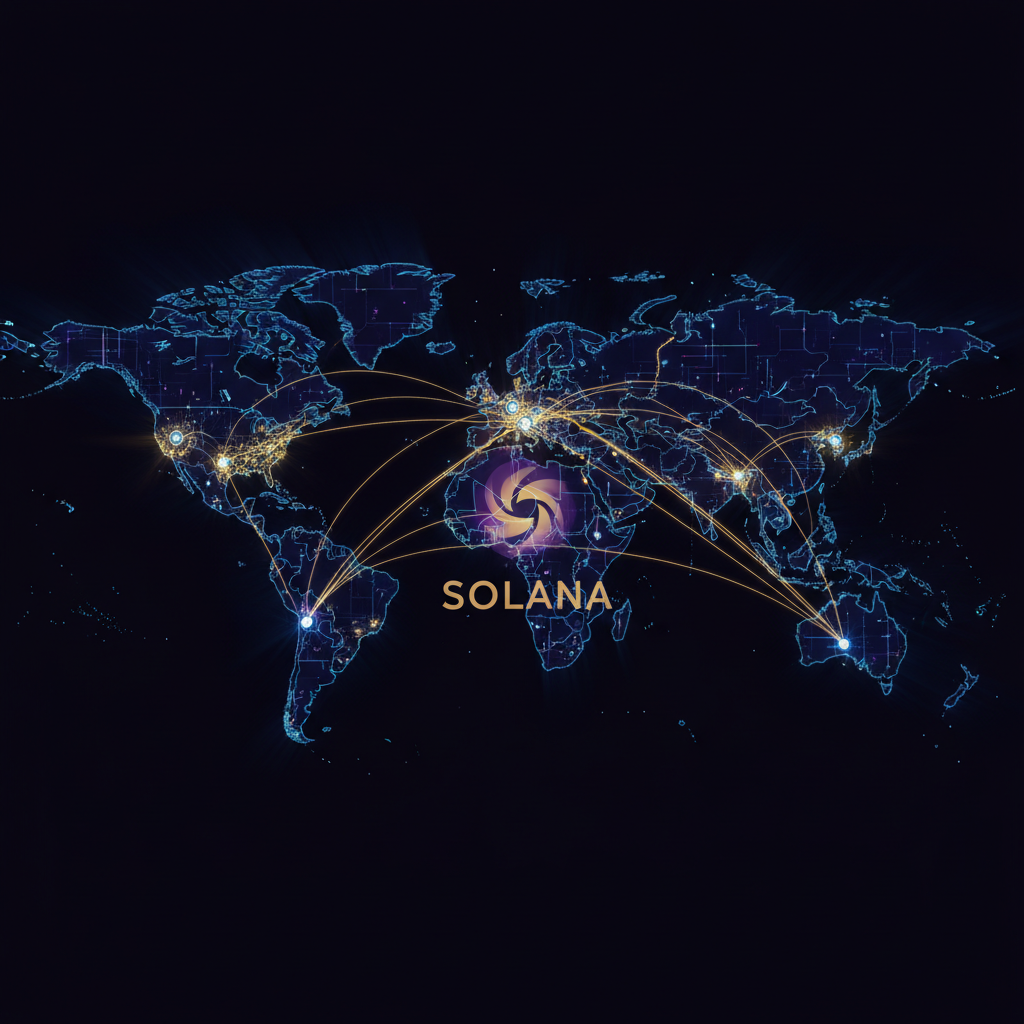
This initiative, launching on March 9, aims to reduce Solana's current geographic concentration, which largely sits in Central Europe due to historical and economic factors like the availability of affordable bare-metal data centers. Federa drew a parallel to the early days of high-frequency trading on Wall Street, where proximity to exchanges was paramount for speed.
Multicast Functionality and Network Resilience
The core objective extends beyond mere geographic spread. DoubleZero also seeks to introduce "multicast functionality," a data distribution method prevalent in traditional finance, to the Solana network. This technology, combined with DoubleZero's dedicated high-speed internet network, is designed to enhance the speed and reliability of communication between Solana's distributed computers. The broader distribution of validators is crucial for improving network resilience and decentralization, mitigating risks associated with localized outages or regulatory pressures.
"One of the unintended consequences of blockchains getting faster is there’s more incentive to co-locate next to one another."
By strategically incentivizing validators in new regions, DoubleZero is not only addressing an existing centralization concern but also proactively building a more robust and globally balanced network. This proactive decentralization of physical infrastructure is a critical step for Solana as it scales and seeks to cement its position in the competitive Layer 1 landscape.

Broader Market Context
While Solana focuses on its foundational infrastructure, the broader crypto market remains in a state of flux. Bitcoin (BTC) has struggled to maintain momentum above $68,000, with a notable flash crash on the decentralized exchange Lighter seeing prices briefly dip to $48,000 due to thin liquidity. Meanwhile, Ethereum (ETH) has reclaimed the $2,000 mark, with on-chain data suggesting a potential local bottom and increased volatility pointing towards a possible recovery.
This mixed market sentiment underscores the importance of fundamental improvements. DoubleZero's efforts to enhance Solana's core infrastructure, by spreading validators globally and integrating advanced data distribution methods, could provide a long-term competitive advantage regardless of short-term price movements. For SOL holders, this development signals a commitment to network health and performance, potentially fostering sustained growth and stability in the ecosystem.